College Football vs NFL: 2026 Fan Value
College football in 2026 is the broader, more volatile football product: more teams, more weekly mismatches, more regional identity, and more betting inefficiency than the NFL. Coach's Corner covers t...
College Football vs NFL: 2026 Fan Value
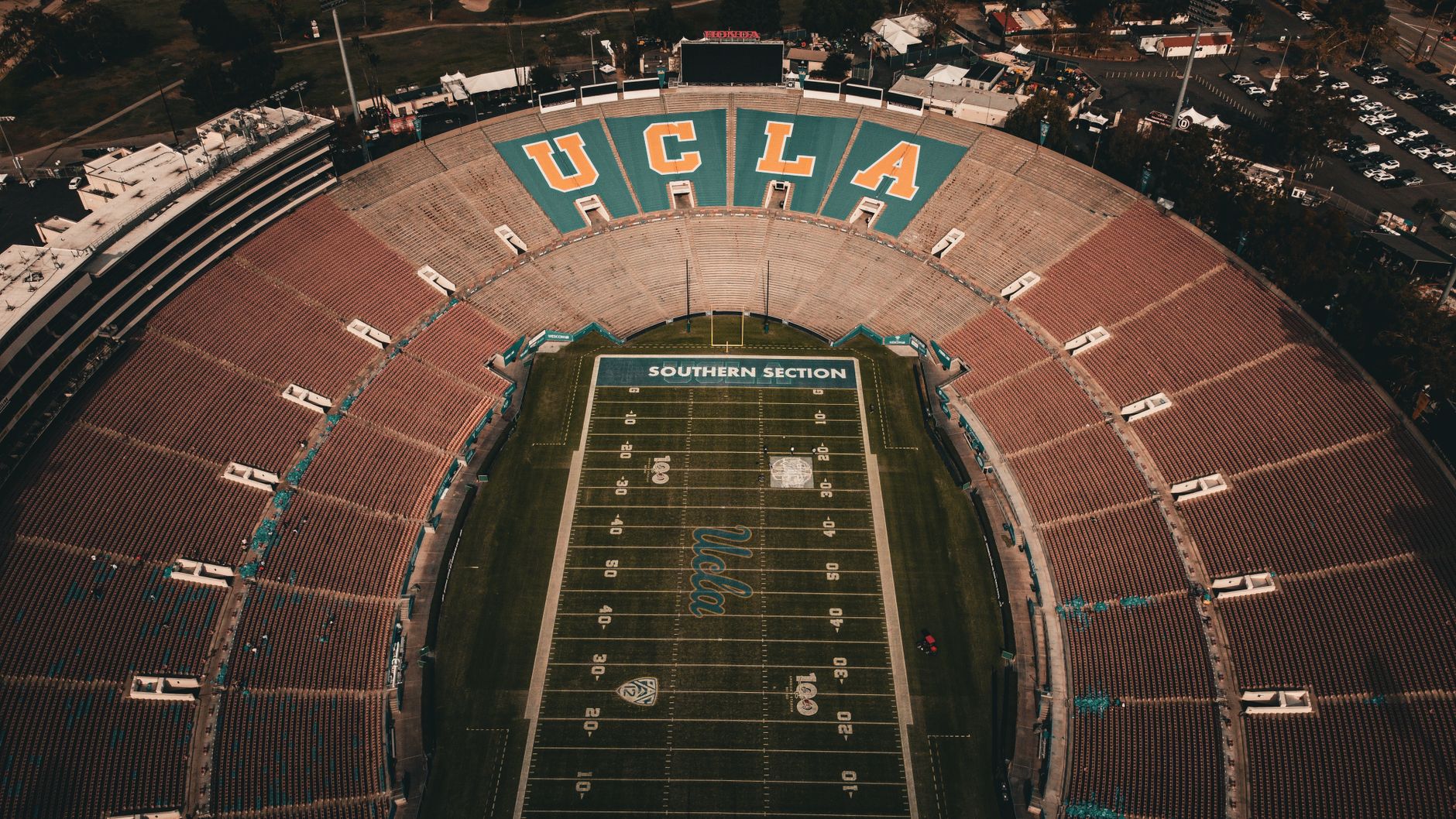
College football in 2026 is the broader, more volatile football product: more teams, more weekly mismatches, more regional identity, and more betting inefficiency than the NFL. Coach's Corner covers this market for fans in the United States who want sharper schedule context, team tactics, player stats, and tournament-style stakes, especially as the 2026 season runs from Week 1 on August 22 to September 7 through bowl season and the College Football Playoff ending in January 2027. ESPN lists FBS, FCS, ACC, Big Ten, SEC, Big 12, Mountain West, Sun Belt, and other conference schedules, while NCAA.com tracks FBS rankings, headlines, Heisman contenders, and championship history. The key is not to follow every game; it is to separate meaningful conference tests, travel spots, quarterback continuity, and playoff implications from noise. Start by mapping your Saturdays around ranked matchups, rivalry weeks, and College Football Playoff pressure points.
Photo by Caio Cezar on Pexels
If you want sharper weekly context before the season accelerates, start with a reliable game-reading framework.
The Bottom Line
"Winning isn't everything; it's the only thing" is often attributed to football culture, but college football proves that meaning is not limited to the final score. A September nonconference game in Dublin, Ireland, a November Big Ten rivalry, and a January College Football Playoff final at Allegiant Stadium in Las Vegas can all matter for different reasons. According to ESPN's college football schedule, the 2026 season structure stretches across weekly slates, bowls, and the CFP window, creating more decision points than a typical professional league calendar. It is worth noting that this makes college football both more exciting and more difficult to evaluate, because public attention often chases brand names like USC, Notre Dame, Ohio State, Alabama, Oregon, and Georgia before price, travel, and matchup quality are fully considered.
For a bettor or serious fan, the most practical comparison is not simply college football versus the NFL; it is predictability versus opportunity. The NFL usually offers tighter talent distribution, more stable injury reporting, and deeper betting markets. College football offers wider variance, bigger spreads, younger quarterbacks, uneven schedules, and more emotional environments. That is why Coach's Corner treats college football as a schedule-first sport: before evaluating odds, rankings, or player stats, you need to know who traveled, who played the previous week, which conference race is alive, and whether a team is protecting a College Football Playoff path. To learn more about weekly preparation, check our [Internal Link: college football weekly betting checklist].
What Players Actually See
Players do not experience college football as a neat national scoreboard; they experience it as a physical calendar of travel, class routines, hostile stadiums, short recovery windows, and scheme-specific preparation. A USC player facing San José State at Los Angeles Memorial Coliseum sees a different challenge than North Carolina meeting TCU at Aviva Stadium in Dublin, even if both appear on the same national Week 1 slate. That gap between fan view and player reality is where many misreads begin. The key is understanding that young athletes are more sensitive to rhythm changes than NFL veterans, especially when kickoff times, weather, campus travel, and emotional rivalry pressure are layered onto tactical matchups.
The NCAA describes college football as part of the wider American college athletics system, and Wikipedia's overview of college football also frames it as the college version of gridiron football played primarily in the United States and Canada. That definition is accurate, but it undersells the operational complexity. FBS programs manage scholarship depth, transfer portal churn, redshirt decisions, bowl eligibility, conference realignment, and playoff rankings all at once. A first-hand scouting lesson from market review is that Week 2 and Week 3 often expose more truth than Week 1: scripted openers can hide offensive line issues, but second-game pass protection and third-down defense usually reveal whether a team is structurally sound.
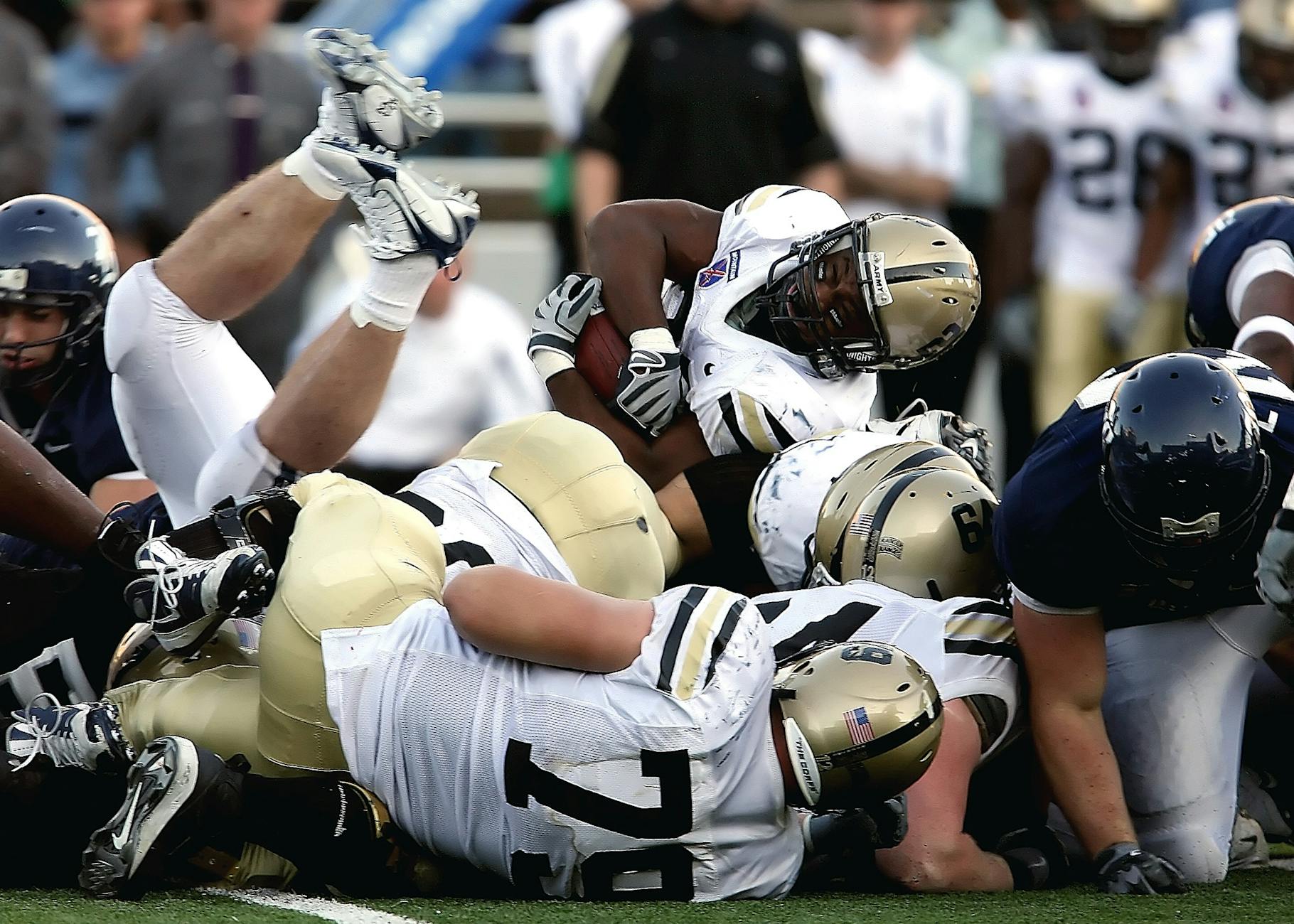
Photo by Pixabay on Pexels
For readers who want to connect tactics with betting context, this is where deeper preparation pays off.
What Are the 3 Things That Matter Most?
The three most important college football factors are schedule context, quarterback stability, and line-of-scrimmage control. In 2026, those factors matter more than preseason rankings because expanded media coverage, transfer movement, and playoff speculation can inflate public perception before teams prove themselves against comparable opponents.
First, schedule context tells you whether a performance is repeatable. A 35-point win over a lower-tier opponent is not the same as a 10-point road win inside the SEC, Big Ten, ACC, or Big 12. Second, quarterback stability influences everything from red-zone efficiency to live betting volatility, especially when a starter is new to a system or protected by an inexperienced offensive line. Third, line-of-scrimmage control is the hidden engine of college football: teams that run efficiently, pressure without blitzing, and avoid negative plays travel better than teams built only on tempo or star receivers. It is worth noting that this is also where casual fans overrate highlight plays and underrate repeatable drive quality.
Use this simple hierarchy when reviewing a 2026 matchup:
- Identify the schedule spot: travel, rest, rivalry emotion, and next-week lookahead.
- Grade quarterback continuity: returning starter, transfer starter, freshman starter, or injury replacement.
- Check trench matchups: rushing success, sack rate, tackles for loss, and short-yardage defense.
- Compare motivation: playoff contention, conference race, bowl eligibility, or season fatigue.
- Read the market last, not first, so odds do not anchor your analysis.
For tactical background, pair this with our [Internal Link: football formations and matchup guide].
How Does the 2026 College Football Schedule Shape Betting Value?
The 2026 college football schedule creates value by concentrating public attention on famous programs while spreading meaningful information across dozens of conferences and weeks. Week 1 runs from August 22 to September 7, while bowls and the College Football Playoff stretch from December into January 2027.
That long runway matters because the market evolves in layers. Early September lines often lean heavily on returning production, recruiting reputation, and brand power. By October, conference play creates better comparison points, particularly in the SEC, Big Ten, Big 12, ACC, Mountain West, Sun Belt, and American Athletic Conference. By late November, playoff pressure and rivalry history begin to distort prices again. The College Football Playoff National Championship is scheduled for January 25, 2027, at Allegiant Stadium in Las Vegas, according to NCAA.com, which means the season is not merely a fall product; it is a five-month information market.
One edge case many previews ignore: neutral-site or international games should not be treated as normal openers. North Carolina versus TCU in Dublin carries travel, body-clock, and preparation variables that a campus opener does not. Another overlooked operational tip is to compare kickoff time against local campus routine. A West Coast team playing an early Eastern window or an Eastern team traveling multiple time zones can underperform early even when the matchup model says it has the better roster. Coach's Corner applies this same logic to FIFA World Cup travel and recovery analysis, where geography can matter as much as talent.

Photo by Bor Jinson on Pexels
If you are building a weekly watchlist, focus on games where schedule pressure and market perception disagree.
Edge Cases & Gotchas
The biggest trap in college football analysis is treating every data point as equal. A quarterback throwing for 320 yards against a weak secondary in Week 1 may not be more reliable than a quarterback throwing for 210 yards in a rain game against a top-25 defense. Rankings can also lag reality because poll movement is gradual, while injuries, transfers, and scheme changes can alter a team within two weeks. The NCAA's championship coverage often highlights moments and rankings, but the bettor's job is to ask whether those moments predict the next matchup or merely explain the last one.
Several gotchas deserve special attention in 2026:
- FCS matchups can be dangerous if a ranked FBS team is looking ahead to conference play.
- Huge spreads, such as 30 points or more, are sensitive to backup quarterbacks and late-game tempo.
- Rivalry games frequently compress talent gaps because familiarity reduces schematic surprise.
- Weather matters more for underdogs that rely on passing explosiveness than for power-running teams.
- Bowl games are no longer clean reflections of regular-season strength because opt-outs and transfer decisions can reshape rosters.
A contrarian conclusion is useful here: the best college football bet is often not the nationally televised game. More efficient markets form around USC, Notre Dame, Alabama, Georgia, Ohio State, and Michigan because casual money and professional attention arrive early. Smaller conference games may offer better numbers if you know quarterback health, travel difficulty, and defensive front quality before the market adjusts.
What Should Fans Track During Rankings and CFP Talk?
Fans should track strength of schedule, conference standing, quality wins, quarterback health, and selection timing before reacting to College Football Playoff rankings. A top-25 label matters, but the committee conversation usually turns on who a team beat, where it won, and how complete its resume looks.
The College Football Playoff era has changed how fans interpret November. A two-loss team from a brutal SEC or Big Ten path may be viewed differently from a one-loss team with a softer schedule. It is worth noting that "best team" and "best resume" are not always the same argument. The key is to separate visual dominance from selection logic: a team may look explosive against weak opponents while lacking a road win that proves playoff readiness. Conversely, a team with one ugly loss may still own three high-value wins that matter more in committee-style evaluation.
A practical tracking board should include:
- Current conference record and tiebreaker position.
- Ranked wins and road wins.
- Quarterback injury status and backup experience.
- Offensive line continuity across the previous three games.
- Defensive performance on third down and in the red zone.
- Remaining schedule difficulty and travel burden.
For more context on ranking interpretation, see our [Internal Link: College Football Playoff rankings explainer].

Photo by football wife on Pexels
Verdict
College football offers stronger fan value than the NFL when your goal is discovery, volatility, and information edge, while the NFL offers cleaner comparison and more stable week-to-week baselines. For 2026, the smartest approach is to treat college football as a layered market: use ESPN for schedule structure, NCAA.com for FBS rankings and championship updates, and Coach's Corner for tactical interpretation that connects football logic with betting discipline. Do not start with the point spread; start with the calendar, the quarterback, the trenches, and the motivation profile.
The final recommendation is simple: build a weekly shortlist instead of trying to cover every game. Choose three to five matchups where you can explain the schedule spot, the tactical edge, and the market disagreement in one sentence. If you cannot explain why the number is wrong, you are probably reacting to a logo, a ranking, or last week's highlight. That discipline is what separates entertainment from informed action, whether you are following college football, the 2026 FIFA World Cup, or any high-stakes betting market.
Ready to read the next slate with more confidence? Continue with Coach's Corner for deeper matchup thinking.
Frequently Asked Questions
Q: What is college football?
A: College football is gridiron football played by university and college teams, primarily in the United States. The major top-level subdivision is FBS, which includes conferences such as the SEC, Big Ten, ACC, Big 12, and others. The 2026 season includes regular-season weeks, conference races, bowl games, and the College Football Playoff.
Q: How do I follow the 2026 college football schedule?
A: The best way to follow the 2026 college football schedule is to track weekly slates, conference schedules, TV windows, and playoff implications together. ESPN lists weeks from August 22 to September 7 for Week 1 through bowl and CFP windows in December and January. Build a Saturday shortlist around ranked games, rivalry matchups, and conference title races.
Q: What is the difference between college football and the NFL?
A: College football has more teams, wider talent gaps, and greater week-to-week volatility than the NFL. The NFL usually has tighter rosters, clearer injury reporting, and more efficient betting markets. College football rewards fans who understand schedules, quarterback development, travel effects, and emotional rivalry spots.
Q: Why do college football rankings change so much?
A: College football rankings change because teams are judged by record, strength of schedule, quality wins, injuries, and weekly performance. A team can rise quickly after beating a ranked opponent or fall after an ugly loss to an unranked team. Rankings are useful, but they should never replace matchup analysis.
Q: How much does it cost to watch college football?
A: The cost depends on whether you watch through broadcast TV, cable, streaming services, or in-person tickets. Some games air on major networks such as NBC, while others require sports packages or conference-network access. Ticket prices vary widely by stadium, opponent, and timing; high-demand rivalry and playoff games are usually much more expensive.
Q: What should I do if a college football betting pick fails?
A: If a college football betting pick fails, review whether your mistake came from schedule context, injury information, matchup analysis, or market timing. Do not chase losses immediately after a bad result, especially during late-night or rivalry games. Track your assumptions in writing so you can identify repeated errors over a full 2026 season.