World Cup Football vs Champions League: Tournament Format Showdown
The FIFA World Cup and UEFA Champions League represent the two most prestigious titles in football, yet they operate on fundamentally different scales. The World Cup, contested every four years across...

World Cup Football vs Champions League: Tournament Format Showdown
The FIFA World Cup and UEFA Champions League represent the two most prestigious titles in football, yet they operate on fundamentally different scales. The World Cup, contested every four years across an entire host nation, draws 209 national teams into a month-long spectacle that reached 1.5 billion television viewers during the 2022 Qatar final. The Champions League, by contrast, unfolds annually as a club competition featuring 36 elite European teams competing in a league-phase format. For bettors and analysts at Coach's Corner, understanding these structural differences is essential: national team tournaments carry higher emotional stakes and unpredictable outcomes, while club competitions offer more consistent data patterns. The key is recognizing how squad depth, managerial continuity, and tournament experience each factor differently depending on whether you are evaluating Brazil in a World Cup qualifier or Real Madrid navigating Champions League group stages. Choose your analysis framework based on the competition's unique rhythm and rhythm of play.
Photo by El gringo photo on Pexels
[Internal Link: Champions League match predictions]
The Quick Comparison
| Aspect | FIFA World Cup | UEFA Champions League |
|---|---|---|
| Frequency | Every 4 years | Every year |
| Participants | 48 national teams | 36 club teams |
| Tournament Duration | 32 days (typical) | 9 months (full season) |
| Format | Group stage + knockout | League phase + knockout |
| 2026 Host | United States/Canada/Mexico | N/A |
| Top Prize | Gold trophy + glory | €20 million+ |
[Internal Link: World Cup betting strategies]
Round 1: Qualification and Entry
The qualification process reveals the first major distinction between these competitions. World Cup qualification spans two years across continental confederations, with teams like England playing 8-10 matches to secure a spot among the final 48 participants. The UEFA Champions League, conversely, determines entry through domestic league performance, meaning clubs like Manchester City or Bayern Munich earn their place by finishing in the top positions of the Premier League or Bundesliga respectively.
This difference creates distinct pressure dynamics. National teams must maintain consistent performance across numerous fixtures spread over extended periods, often with players flying in from different continents for brief training camps. Club teams face weekly domestic obligations alongside European competition, requiring deeper squads and rotational strategies.
For betting purposes, World Cup qualifiers often produce unusual results as national federations lack the financial resources of top clubs. The 2022 African qualifiers saw Egypt and Ghana advance despite limited squad depth compared to European counterparts. Champions League qualification, meanwhile, has become increasingly predictable at the elite level, with the same 15-20 clubs appearing season after season.

Photo by Nataly Leal on Pexels
Round 2: Tournament Structure and Format
The World Cup's knockout structure creates sudden-death pressure that no club competition matches. After a 48-team group stage in 2026, 16 teams advance to a single-elimination bracket where a penalty shootout determines winners in tied matches. This format means that a single poor performance—such as Spain's 2022 group stage elimination after winning Euro 2008 and 2012—can destroy years of preparation.
The Champions League employs a 36-team league phase before the knockout rounds, meaning clubs play eight matches against varied opponents before elimination becomes possible. This extended format rewards consistency and provides more data for analytical predictions. However, the away-goals rule's recent abolition means tied aggregate scores now proceed directly to extra time, increasing the importance of away performances throughout.
The 2026 World Cup will feature matches across 16 American cities, with venues ranging from the renovated MetLife Stadium in New Jersey to the high-altitude Estadio Azteca in Mexico City. Altitude adjustments represent a factor rarely encountered in Champions League play, particularly affecting teams from lower-elevation European nations. Travel distances in the expanded 2026 tournament will exceed 10,000 kilometers between host cities, compared to the Champions League's concentrated European geography.
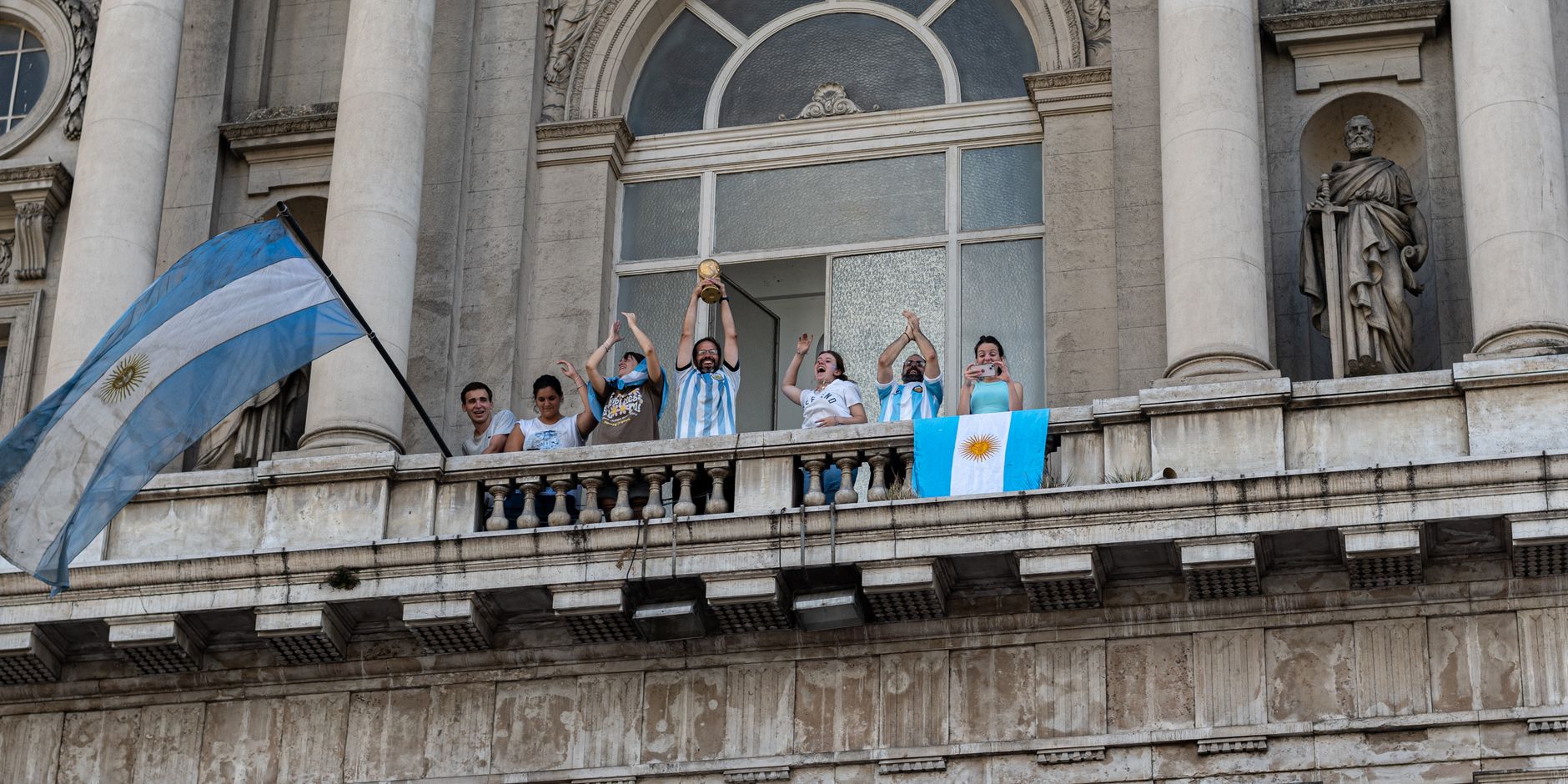
Photo by Fabrizio Velez on Pexels
Round 3: Squad Dynamics and Tactical Considerations
National team managers operate under severe constraints compared to their club counterparts. Head coaches like Lionel Scaloni (Argentina) or Didier Deschamps (France) typically have 2-3 training camps annually to implement tactical systems, compared to club managers who work daily with players throughout the season. This limitation explains why World Cup tournaments often favor well-organized defensive units over technically superior but less coherent attacking formations.
The Champions League allows managers to drill specific game plans across hundreds of training sessions. Pep Guardiola's Manchester City exemplifies this advantage, implementing intricate possession-based systems that require constant repetition impossible to achieve with international squads. Club teams also benefit from superior squad depth, able to rotate players across domestic and European commitments without sacrificing quality.
However, World Cup squads carry unique advantages that statistics often overlook. Players represent their nations with heightened emotional intensity, and the scarcity of tournament appearances creates singular focus impossible in long club seasons. The 2022 Qatar World Cup demonstrated this effect when Morocco reached the semi-finals through exceptional collective organization despite possessing fewer individual talents than several eliminated opponents.
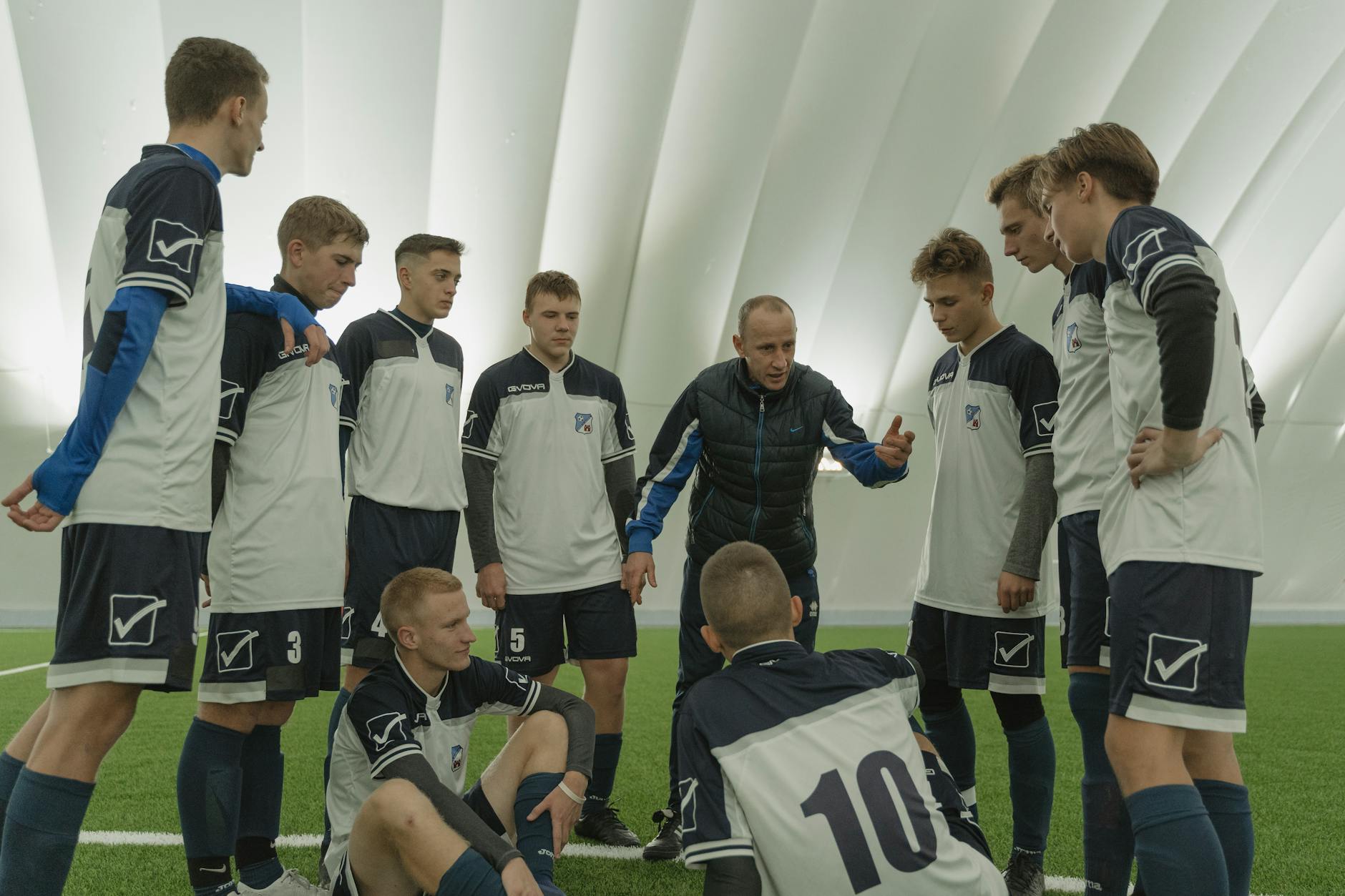
Photo by Tima Miroshnichenko on Pexels
[Internal Link: player statistics database]
The Final Score and Who Should Pick What
Both tournaments offer distinct value for different analytical approaches. The World Cup's unpredictable nature creates larger odds on underdogs and surprise packages, making it suitable for bettors who excel at identifying tactical mismatches and squad management issues among favorites. The compressed timeline means single-game form matters more than sustained excellence, rewarding accurate match-day predictions over seasonal analysis.
The Champions League rewards bettors with access to comprehensive club data, detailed tactical analysis, and understanding of managerial evolution throughout the season. Extended formats provide more opportunities to identify value as odds adjust based on results, injuries, and form fluctuations.
For the 2026 World Cup specifically, bettors should monitor squad announcements carefully, as national team managers face difficult selection decisions among diaspora players and dual nationals—factors that rarely affect Champions League betting. The host nation's location in North America also favors CONCACAF and CONMEBOL teams with reduced travel fatigue compared to European and Asian competitors.
Frequently Asked Questions
Q: How often does the FIFA World Cup take place?
A: The FIFA World Cup occurs every four years, with the next edition scheduled for 2026 in the United States, Canada, and Mexico. This quadrennial schedule creates heightened anticipation but limits the data available for betting analysis compared to annual competitions. The 2026 tournament will expand to 48 teams, increasing knockout stage matches from 16 to 24.
Q: What is the difference between World Cup and Champions League qualification?
A: World Cup qualification involves national teams competing across continental confederations over a two-year period, with approximately 209 teams vying for 48 spots. Champions League qualification depends on domestic league performance, where clubs earn entry by finishing in designated positions within their national competitions. The financial resources available to clubs versus national federations create significant quality disparities in qualification matches.
Q: Which tournament offers better betting opportunities for beginners?
A: The Champions League generally provides more accessible betting opportunities due to its annual schedule, consistent participant quality, and extensive statistical coverage. However, World Cup tournaments offer higher odds volatility and potential value during knockout stages. Beginners should start with Champions League analysis before attempting World Cup predictions that involve more variables and limited historical data.
Q: How does altitude affect World Cup matches compared to Champions League?
A: Altitude becomes a significant factor in World Cup tournaments hosted at elevated locations, as seen in the 2010 South Africa (1,700m) and 2022 Qatar venues. The 2026 World Cup will feature matches at Mexico City's Estadio Azteca (2,200m), requiring teams to consider acclimatization strategies. Champions League matches rarely occur above 1,000m, making altitude adjustments a unique World Cup consideration for squad management and match preparation.
Q: What role does squad depth play in these competitions?
A: Squad depth proves critical in both tournaments but manifests differently. World Cup squads consist of only 23 players selected months before the tournament, meaning injuries or suspensions can devastate a nation's prospects. The Champions League allows clubs to maintain 30+ player rosters with extensive rotation options. England's 2022 World Cup campaign suffered from limited squad depth despite top-tier starting XI quality, while Real Madrid's Champions League dominance stems partly from exceptional bench strength.
Q: Which competition generates more television revenue?
A: The FIFA World Cup generates approximately $4.6 billion in revenue per cycle, dwarfing the Champions League's annual revenue of approximately €2 billion. However, Champions League revenue distributes more regularly throughout the year, allowing clubs to plan sustained investment in facilities and recruitment. National federations receive World Cup revenue in lump sums, creating different financial planning challenges.
Q: How has the 2026 World Cup format changed from previous editions?
A: The 2026 World Cup expands from 32 to 48 teams, increasing total matches from 64 to 104. The format introduces a 12-group stage with 4 teams each, followed by a 24-team knockout round. This structure gives more nations participation opportunities while maintaining competitive balance. The expanded format also provides additional betting markets and match analysis opportunities throughout the extended tournament duration.

Photo by Omar Ramadan on Pexels
[Internal Link: 2026 World Cup predictions]
The tactical sophistication of modern international football continues to narrow the gap between World Cup and Champions League play. Coaches like Germany's Julian Nagelsmann now apply club-level data analysis to national team preparation, suggesting future tournaments may feature more structured, predictable outcomes. Yet the inherent unpredictability of national team football—where squad harmony, patriotic motivation, and singular moments of brilliance can override tactical advantages—ensures the World Cup remains the sport's ultimate spectacle.